Your health is my priority
At my osteopathy practice in Hannover-List, I offer osteopathic treatments for adults as well as pediatric osteopathy for children from birth onwards. In addition, my services include physiotherapy for privately insured patients and self-paying patients. I take the time to understand your concerns, identify functional connections within the body, and tailor each treatment to your individual needs.
Osteopathy
As a naturopath and physiotherapist, osteopathy is my focus. An appointment lasts 60 minutes, of which approximately 50 minutes are for treatment. I need the remaining time for administrative tasks (this includes documentation, scheduling follow-up appointments, further organizational arrangements with my patients, and preparation for the next patient). I bill according to the fee schedule for naturopaths (German: “Gebührenordnung für Heilpraktiker”, abbreviation: “GebüH”). The costs range from 110 to 140 € per appointment.
Although osteopathy is a recognized healing method, there is currently (as of 2026) no legal obligation for health insurance companies to cover the costs.
However, many statutory health insurance funds contribute to the costs under certain conditions. (For example, many health insurance companies require a medical prescription for osteopathy, which must have been issued before the first treatment.) I meet all the requirements for therapists. Please check with your health insurance company about the requirements for reimbursement before your first appointment.
You can also find an overview of health insurance coverage here.
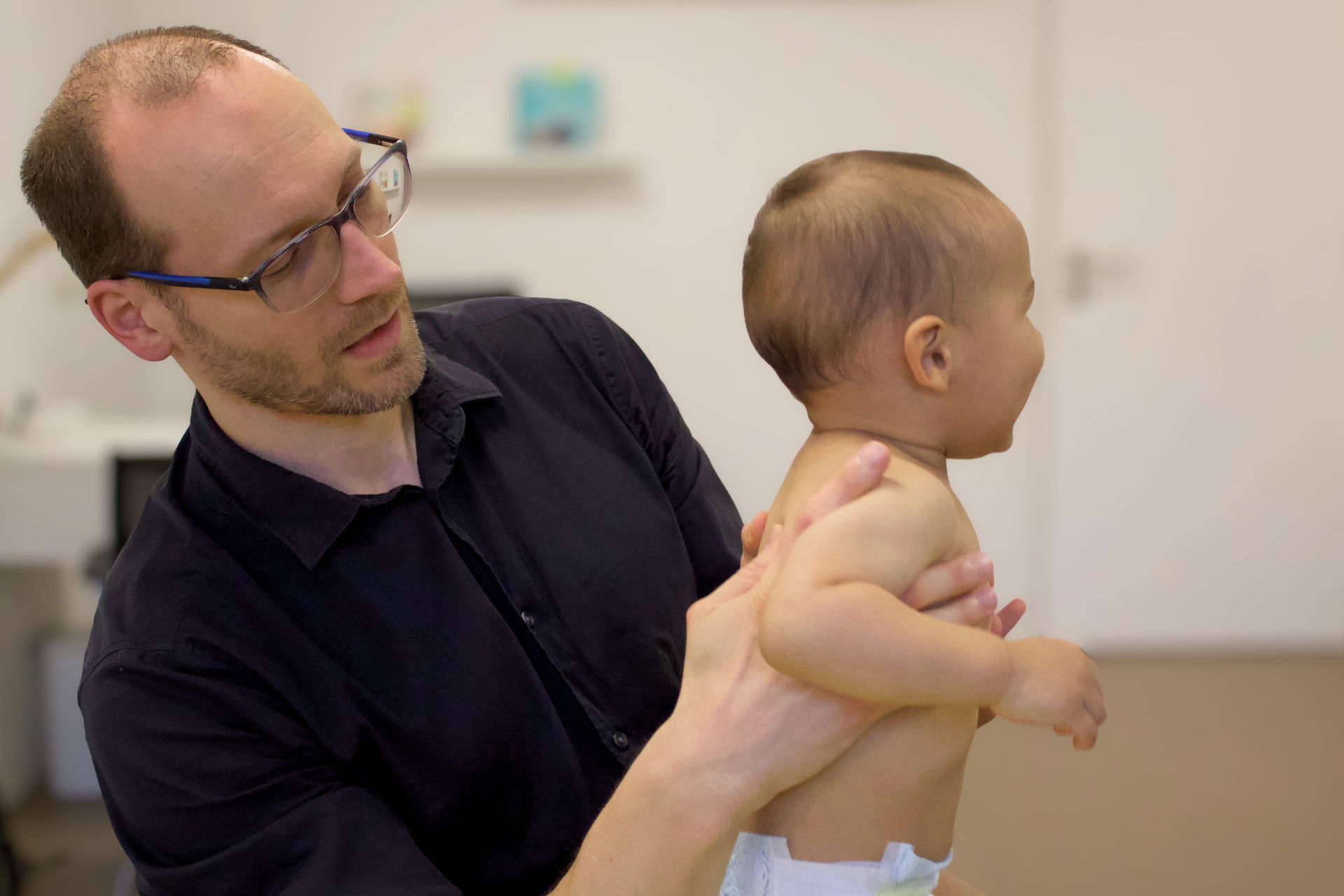
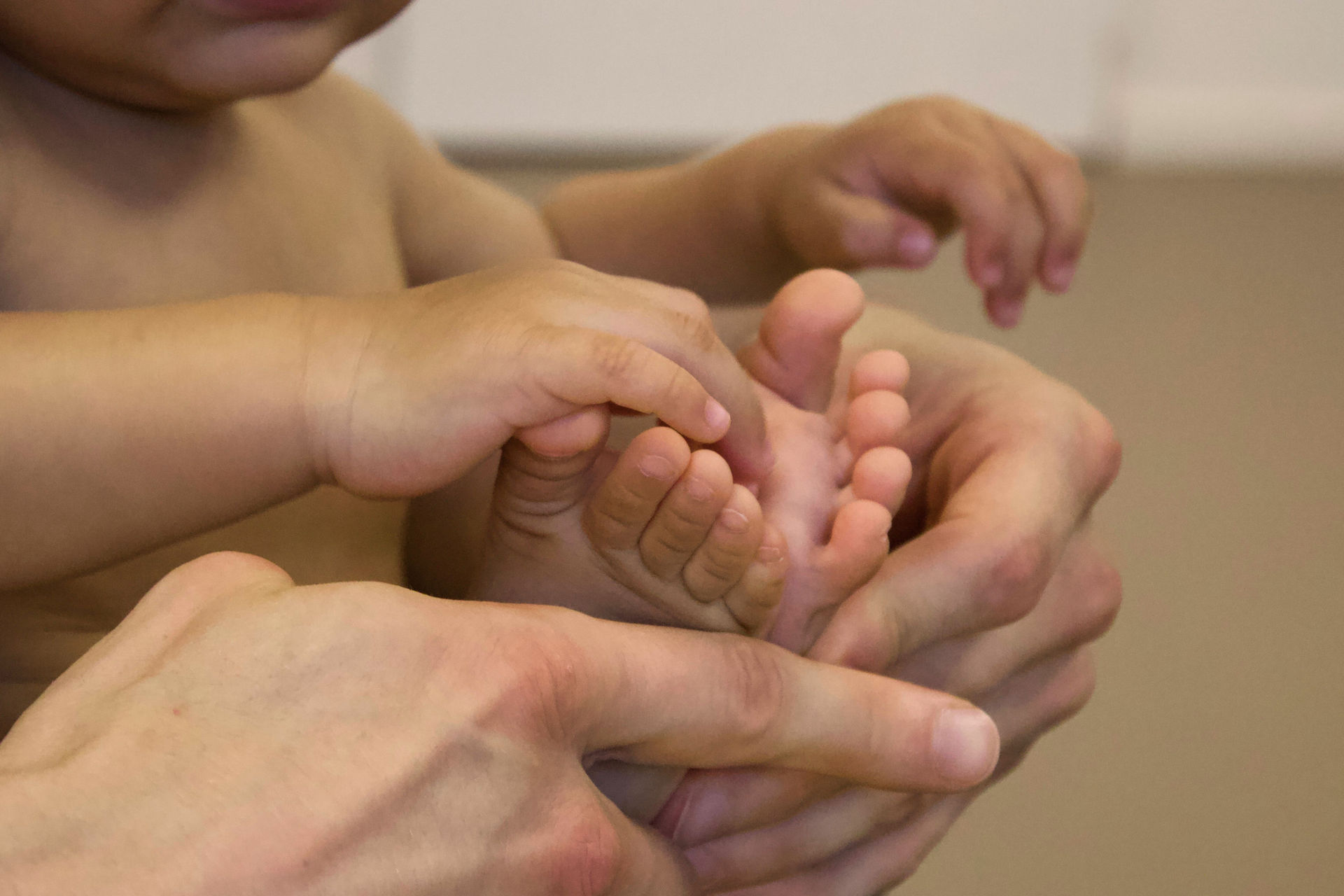
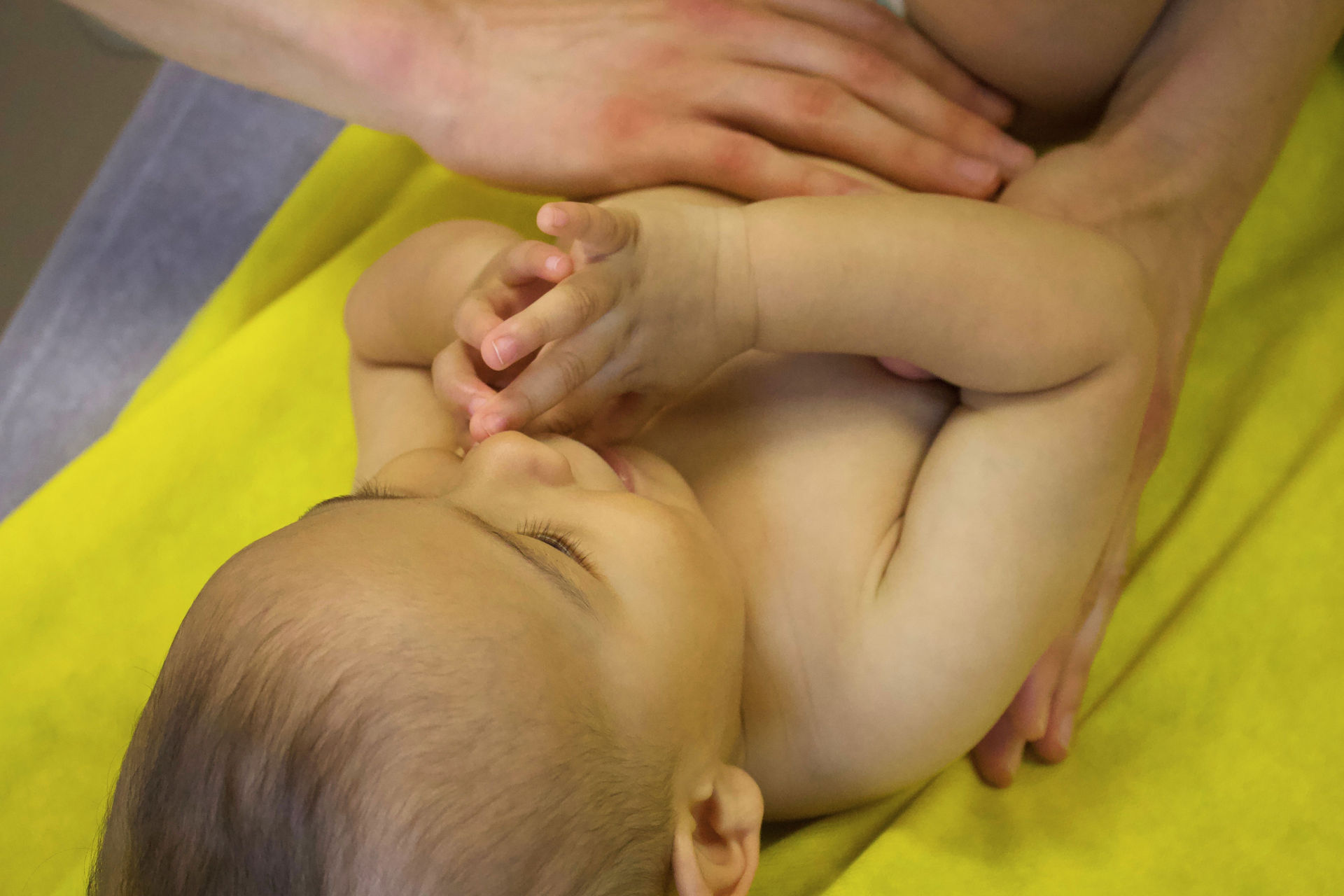
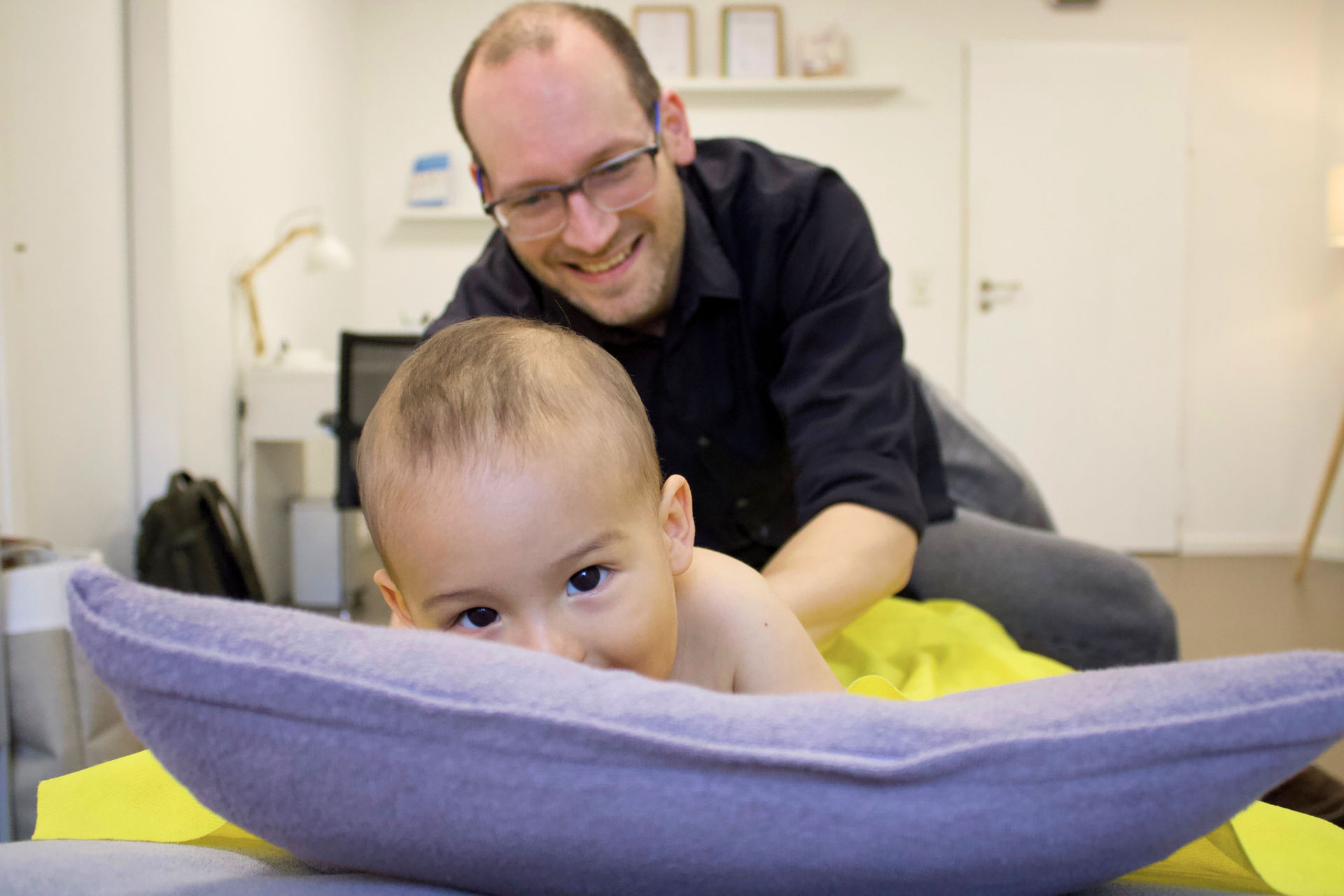
Osteophaty for children
I also offer osteopathy for children from birth. I have completed a two-year further education, which is recognized by the Association of Osteopaths Germany (VOD).
The costs amount to between 110 and 140 € per appointment and are billed according to the fee schedule for naturopaths (German: “Gebührenordnung für Heilpraktiker”, abbreviation: “GebüH”). An appointment lasts 60 minutes, of which approximately 50 minutes are for treatment. I need the remaining time for administrative tasks (this includes documentation, scheduling follow-up appointments, further organizational arrangements with my patients, and preparation for the next patient).
Children are not small adults. In terms of their anatomy and physiology, they are partly essentially different from adults. Therefore, adapted treatment is also required.
Before your appointment, please check with your health insurer whether they will cover any of the treatment costs and what conditions apply. I meet all the requirements for the therapist.
Physiotherapy
for privately insured and self-paying patients
I also offer physiotherapy. Please take note that I do not bill statutory health insurers for these treatments. Instead, you will receive an invoice directly from me. You can then submit it to your (private) health insurance and/or subsidy (“Beihilfe”) or additional insurance if necessary to receive reimbursement of the costs. Check with your insurance company about this before contacting me by phone or email.
What is osteopathy?
The origin of osteopathy
Osteopathy, composed of the Greek words “osteon” (bone) and “pathos” (suffering, passion), is a healing method developed by the American country doctor Andrew Taylor Still in the 19th century. The focus was on the assumption that the “the triune man” – as an inseparable unity of body, soul and spirit and as the perfect creation of a transcendent being – already possesses the ability to heal all suffering and ailments. Still is also said to have called the human body “the pharmacy of God”.
He categorically rejected the external supply of medication and was quite successful in the treatment of internal diseases (i.e. organ diseases) by manually treating malpositions and incorrect tensions of the various tissues, not just the bones. Still's goal was to ensure the supply and disposal process of tissues again.
What was essential to his success was his immense knowledge of anatomy and its functional relationships.
My understanding of osteopathy
As I understand it, osteopathy is less a compilation of specific treatment techniques but a way of looking at the human organism in its anatomical-functional relationships between all tissues.
Using manual, usually very gentle techniques, residual stresses and mobility limitations of individual structures are felt and released with the aim of no longer irritating the nervous system and ensuring the supply and disposal process of the tissues again. If this succeeds, the body can regain its self-healing powers, eliminate restrictions on movement, and relieve or even completely eliminate pain.
So as an osteopath, I am never the “healer”, but only the one who ideally finds the cause that the body cannot heal or regulate itself. A phrase I memorized during training is “Find it, fix it, and then leave it alone!” So the question arises: As an osteopath, can I find the cause? And if I can find it, another question immediately follows: Can I fix the cause?
The chances of osteopathy
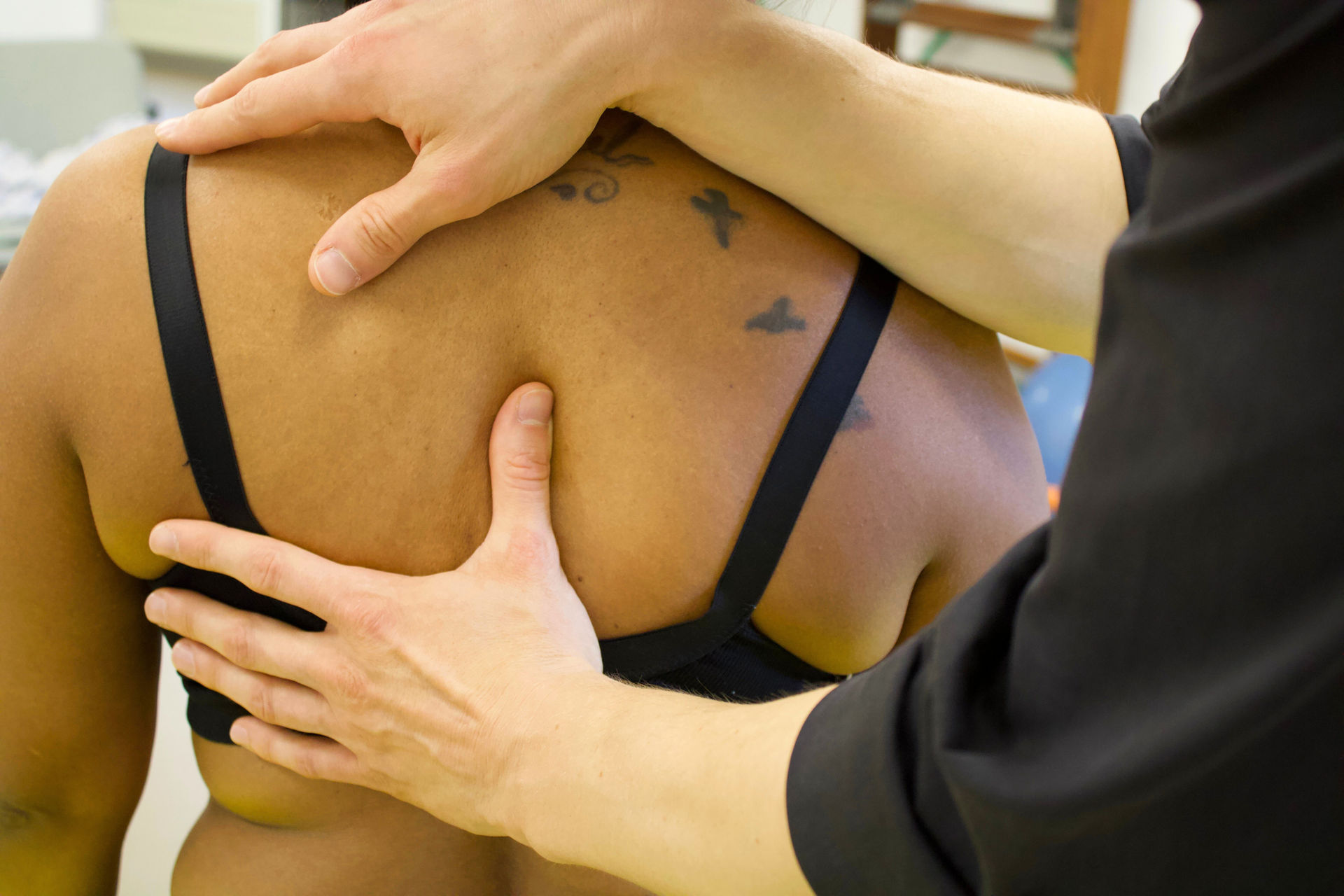
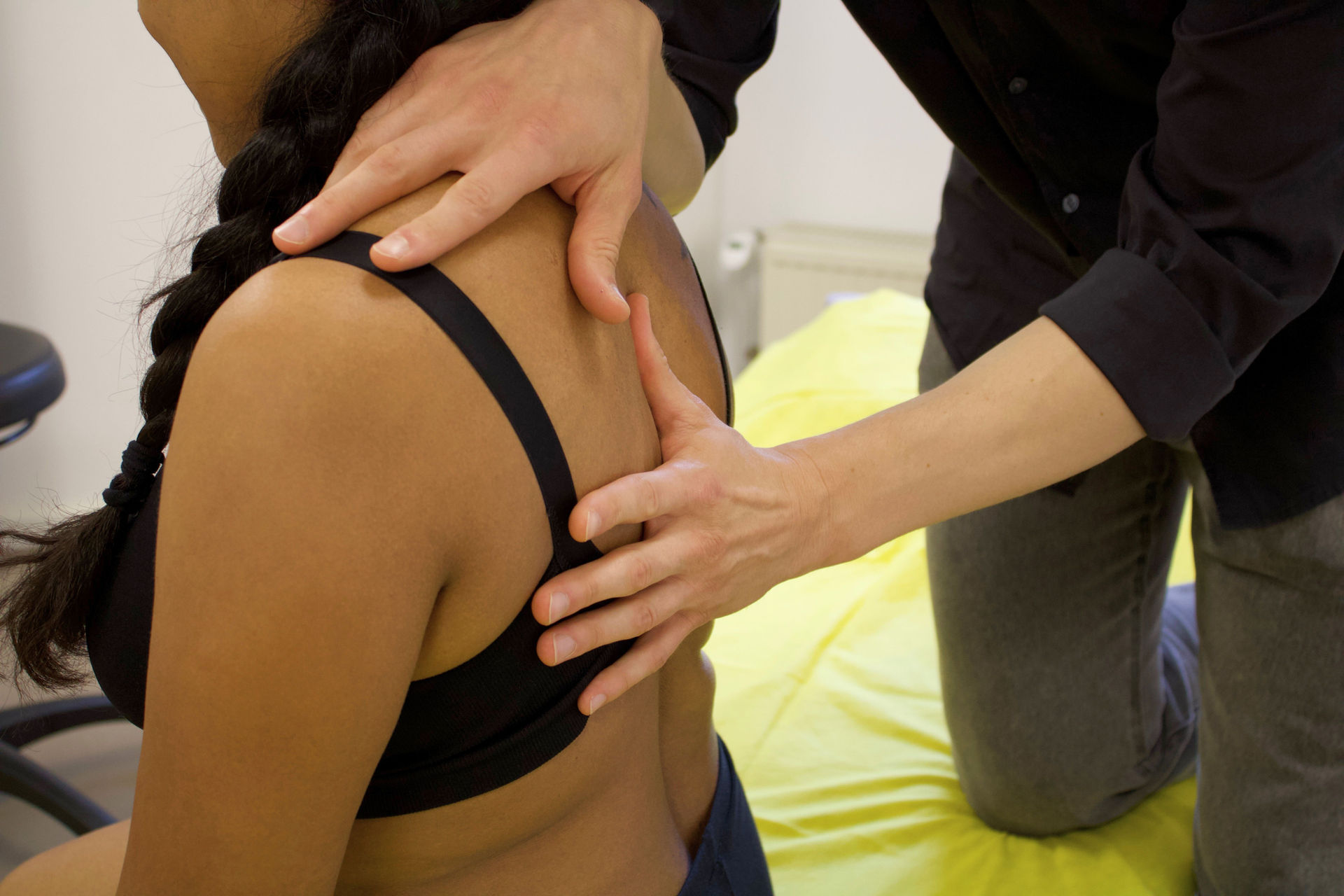
As an osteopath, I am looking for functional disorders, which are mainly movement restrictions in the broadest sense, i.e. joint blocks, tension, adhesions and entrapments.
Ideally (that’s what osteopathy hopes to be), any possible organic cause has already been clarified before osteopathic therapy and no cause has been found in damaged tissue. I find and correct the functional disorder after a detailed anamnesis (Greek “ana” = “apart” and “mnesis” = “knowledge”; this refers to the initial interview with the questions about the medical history) and a detailed physical examination.
Then 3 to 5 appointments are sufficient. Sometimes, symptoms are significantly relieved or even disappear after the first treatment.
Against this background, it is not surprising that A.T. Still is said to have said that 80% of osteopathy is diagnostics (i.e. the search for the cause) and only 20% is treatment.
The limits of osteopathy
However, if the cause is a damaged organ, as an osteopath I can't do much. For example, in cases of osteoarthritis (joint wear), I cannot osteopathically restore the abraded cartilage (In osteoarthritis, however, a positive influence on the symptoms can usually still be exerted). And if the cause lies in anatomical asymmetries, then I can only try to ensure that the tissues become or remain as mobile as possible so that the organism can adapt and thus compensate. A systemic disease or infection is also only part of medical treatment, and should be in osteopathic hands only after medical approval. Another important limiting factor is the living conditions of my patients.
If the functional disorders are largely maintained or even caused by monotonous or asymmetrical movements, excessive or asymmetrical stress or lack of exercise (e.g. by professionally dictated tasks, certain sports or an unbalanced lifestyle), then the 3 to 5 treatments are often not sufficient. As a rule of thumb, the longer the symptoms are present, the more likely it is that a longer duration of therapy will be needed to relieve them. Furthermore, especially in these cases, it is essential that my patients perform their own exercises or change certain habits. At this point, I am putting responsibility back in the hands of my patients. I seek the path; but the patients themselves must take it.
The 5 basic principles of osteopathy
1.
Holism
The entire organism is always considered
2.
Autoregulation
The goal is always to improve the body's self-regulation mechanisms
3.
Blood circulation
The aim is always to ensure good tissue supply and disposal process
4.
Structure and function depend on each other
A tissue can only do its service if it is intact; at the same time, it only remains intact as long as it is used according to its purpose
5.
Movement is life
Tissue that cannot move is like dead tissue and will sooner or later cause discomfort
The 3 subareas of osteopathy
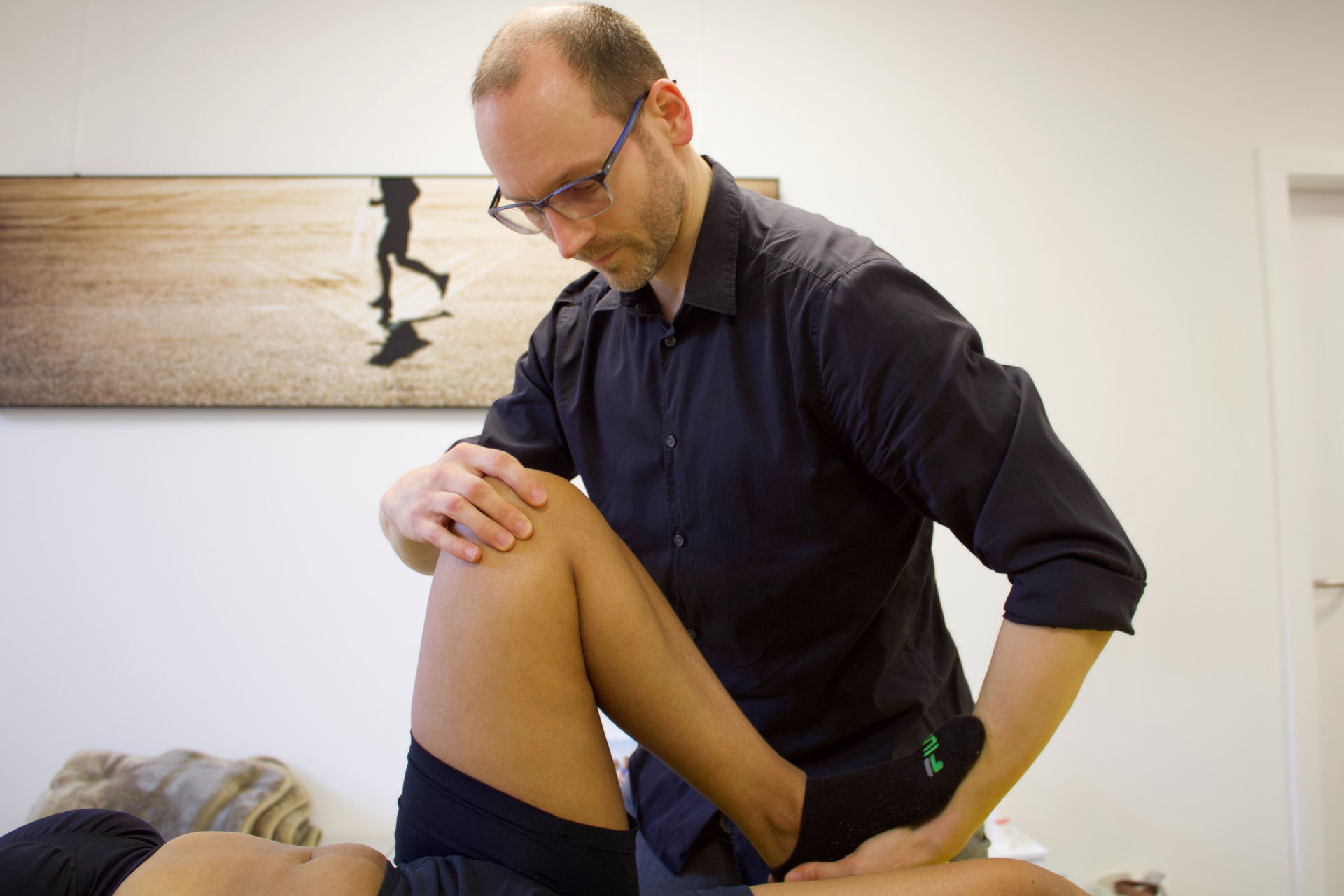
“Parietal” osteopathy
“Parietal” osteopathy (“paries” = Latin for “wall” with reference to the supporting tissue) is the term for the osteopathic examination and treatment of the musculoskeletal system, i.e. bones, joints with their cartilages, ligaments and capsules, and muscles with their tendons, as well as the connective tissue sheaths (fascia) of all these structures.
“Visceral” osteopathy
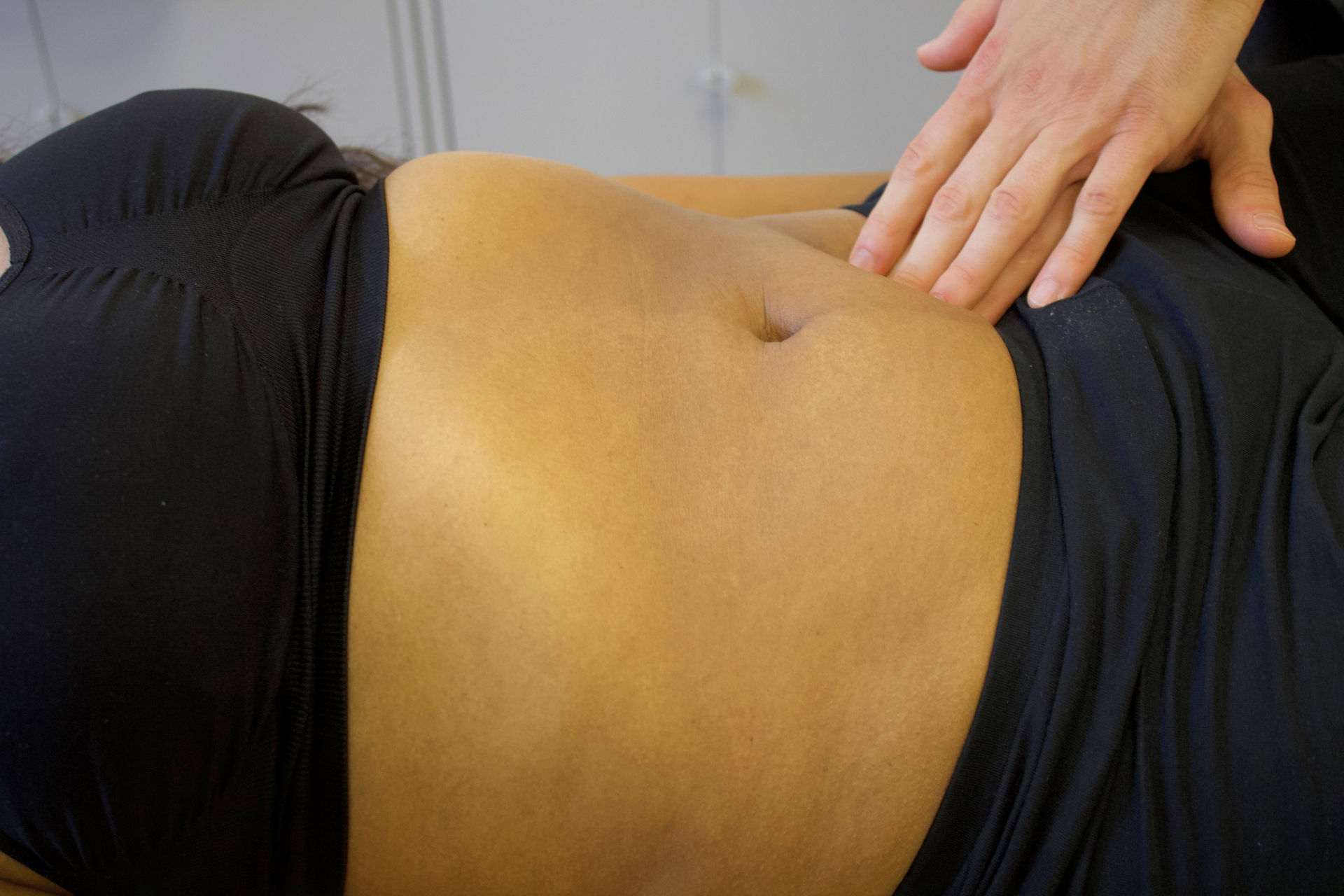
The “visceral” osteopathy (“viscerum” = Latin for “organ”) is the term for the osteopathic examination and treatment of the internal organs, especially in relation to their mobility to the adjacent structures, but also to their connective tissue sheaths (fascia).
“Craniosacral” osteopathy
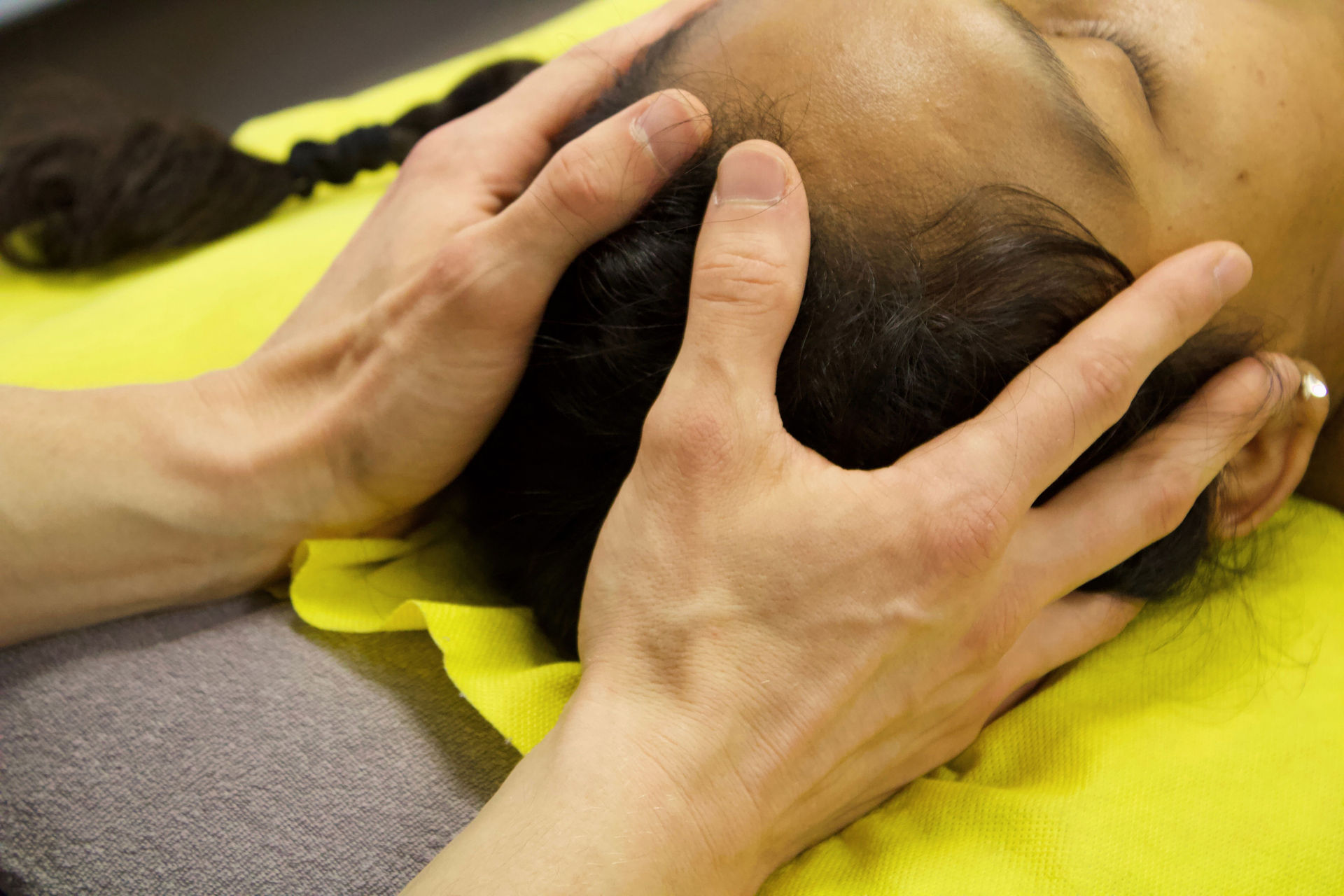
The “craniosacral” osteopathy (“cranium” = Latin for “skull”; “sacrum” = Latin for “cross”, which refers to the triangular bone) is the name given to the osteopathic examination and treatment of the skull with its individual bones and the sacrum, as well as the two connecting structures: the hard meninges (Latin “dura mater” = “hard mother”), which, like a tube, encloses our central nervous system, i.e. brain and spinal cord, and can transmit movement and tension from one to the other. As a solid elastic membrane, it can also be called a fascia. In craniosacral osteopathy, the aim is to eliminate abnormal tensions that irritate the nervous system.
The distinction between osteopathy and physiotherapy
Since osteopathy uses manual techniques, there is a significant overlap with physiotherapy. I can't draw a sharp dividing line between these two. In particular, the parietal subarea coincides almost completely with physiotherapy.
Physiotherapy has historically been a compilation of home remedies (e.g. massage, curd wraps, exercises), which has been continually expanded over the decades (e.g. to include electrotherapy and special concepts such as Bobath or Vojta therapy) and has increasingly been scientifically based and refined through studies (e.g. in medical exercises and training therapy). Against this backdrop, it is only logical that osteopathic thinking and osteopathic principles have long since found their way into basic physiotherapy education.
For example, I also had two lecturers in my studies who were osteopaths. So far, the rigid health policy system just does not allow physiotherapists to exhaust everything they can actually do due to their training. As long as this is the case, I am grateful that my permission as a naturopath gives me the freedom to offer my patients treatments of a reasonable duration.
